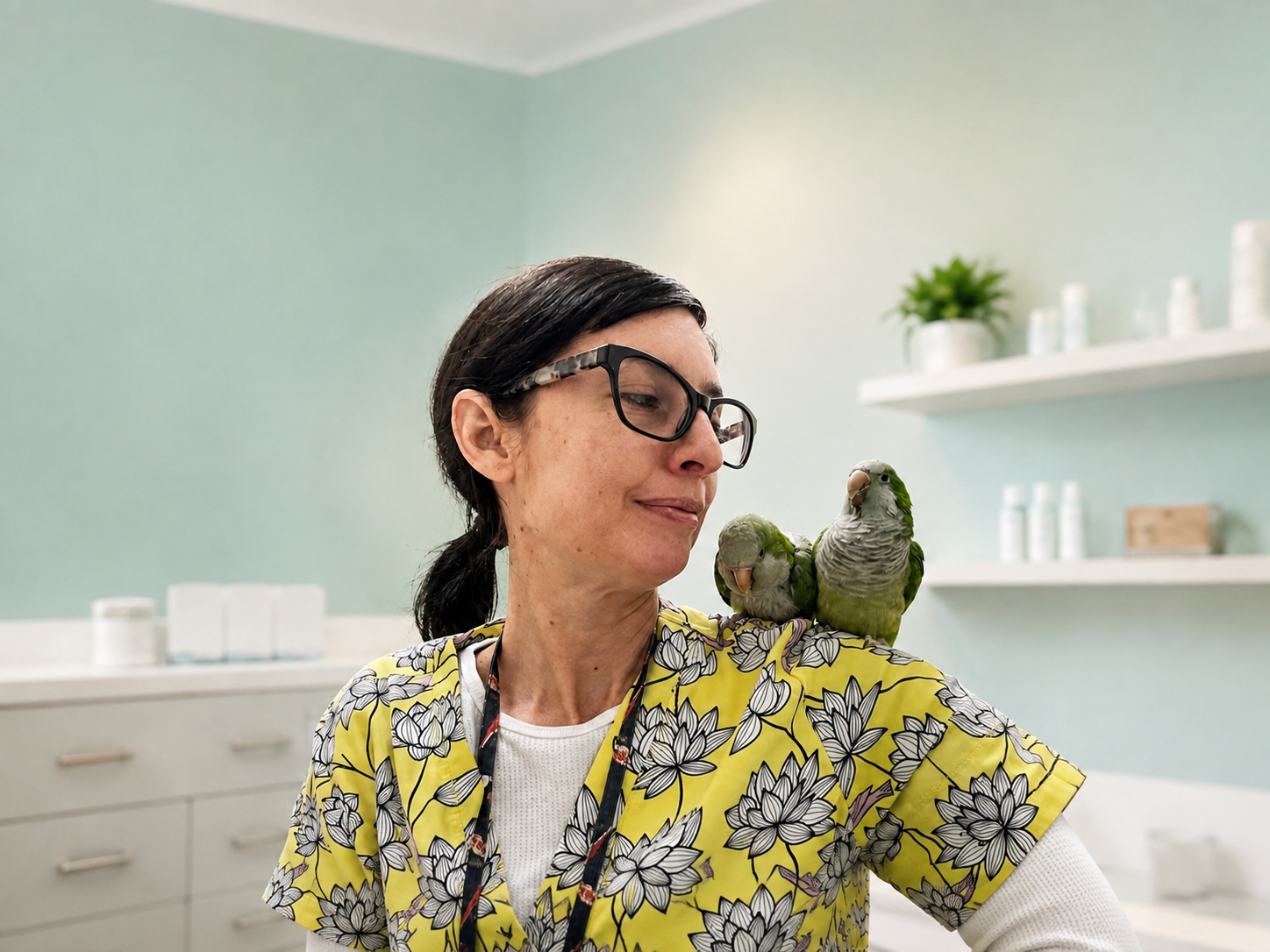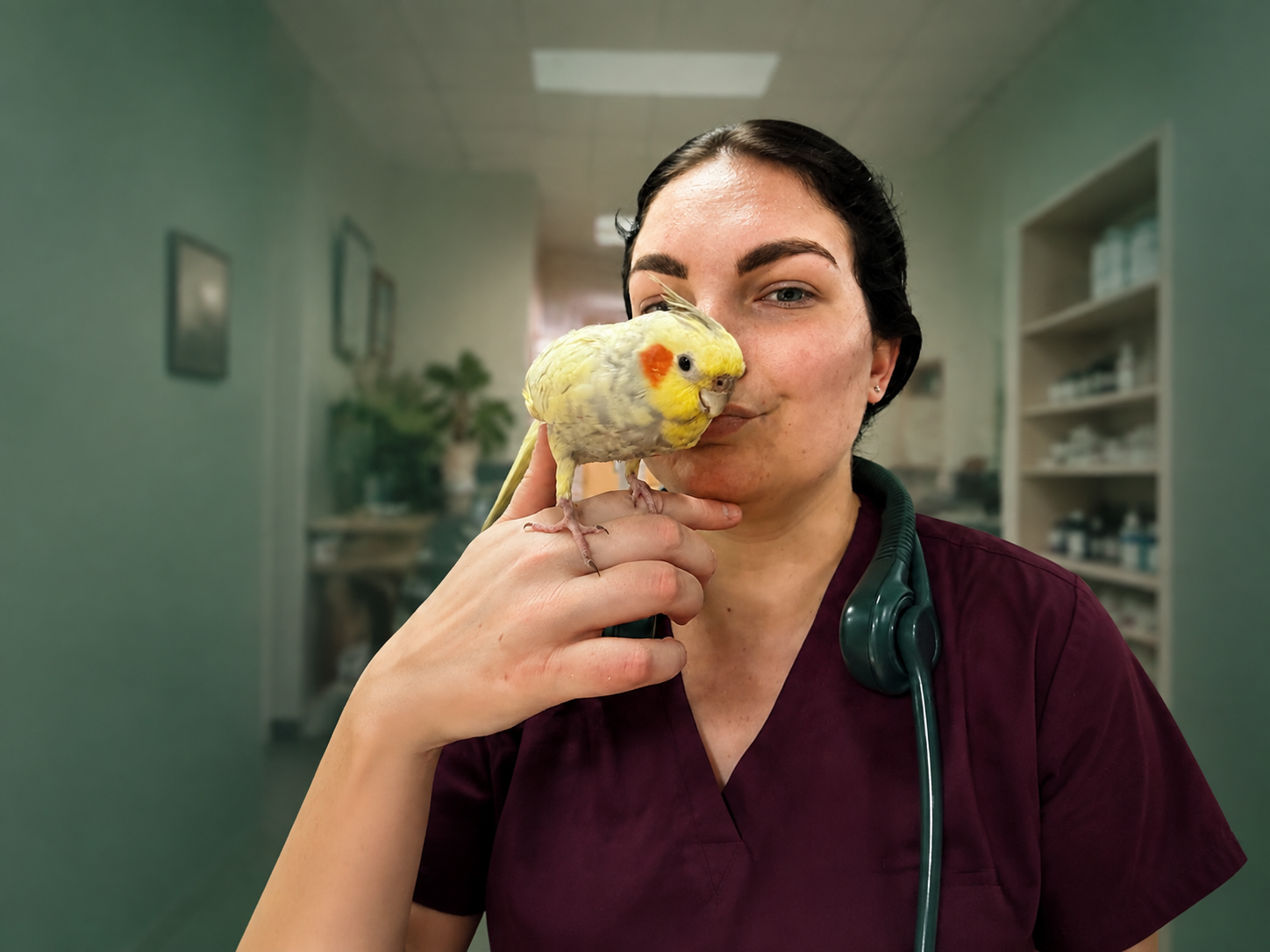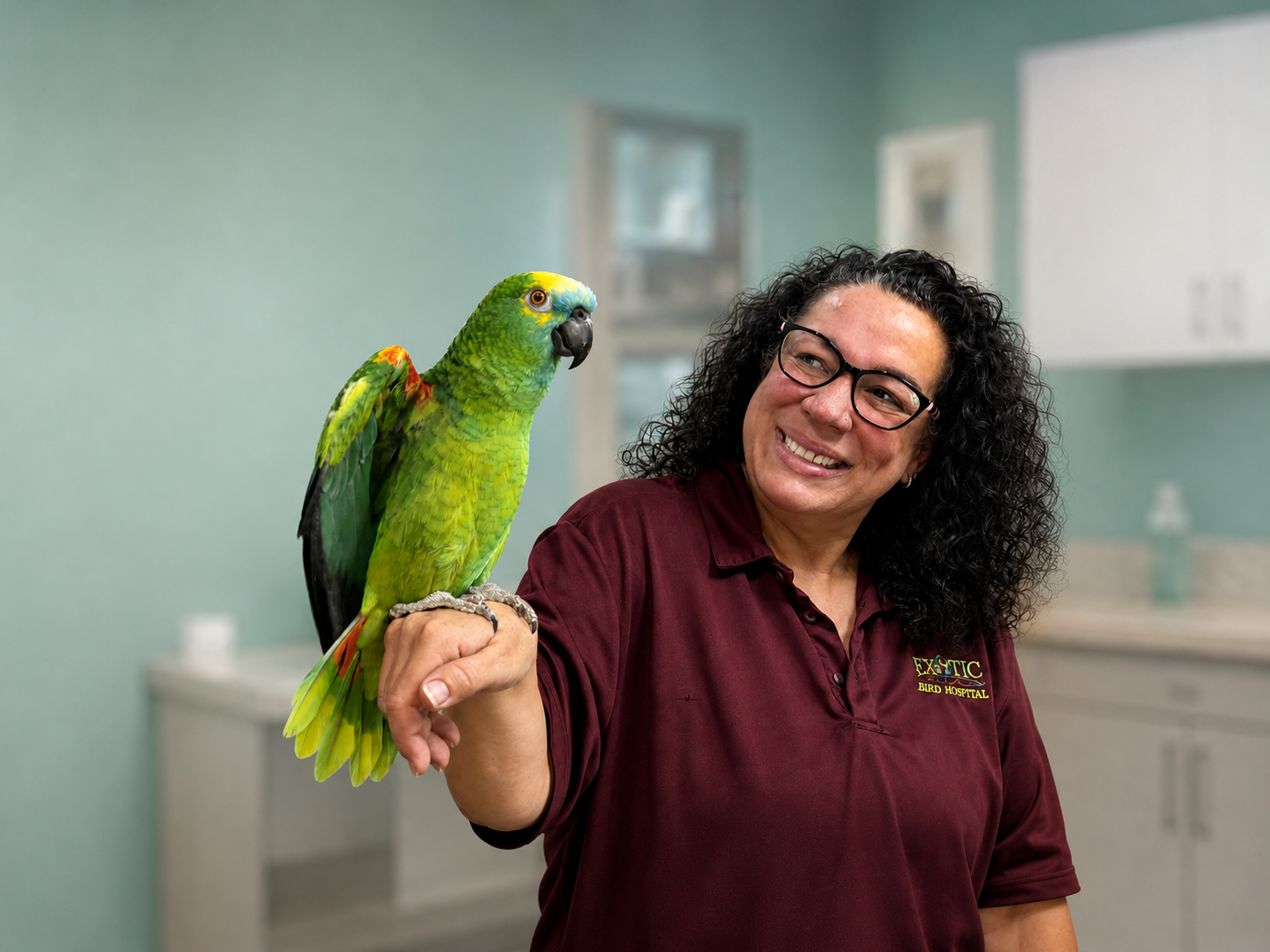
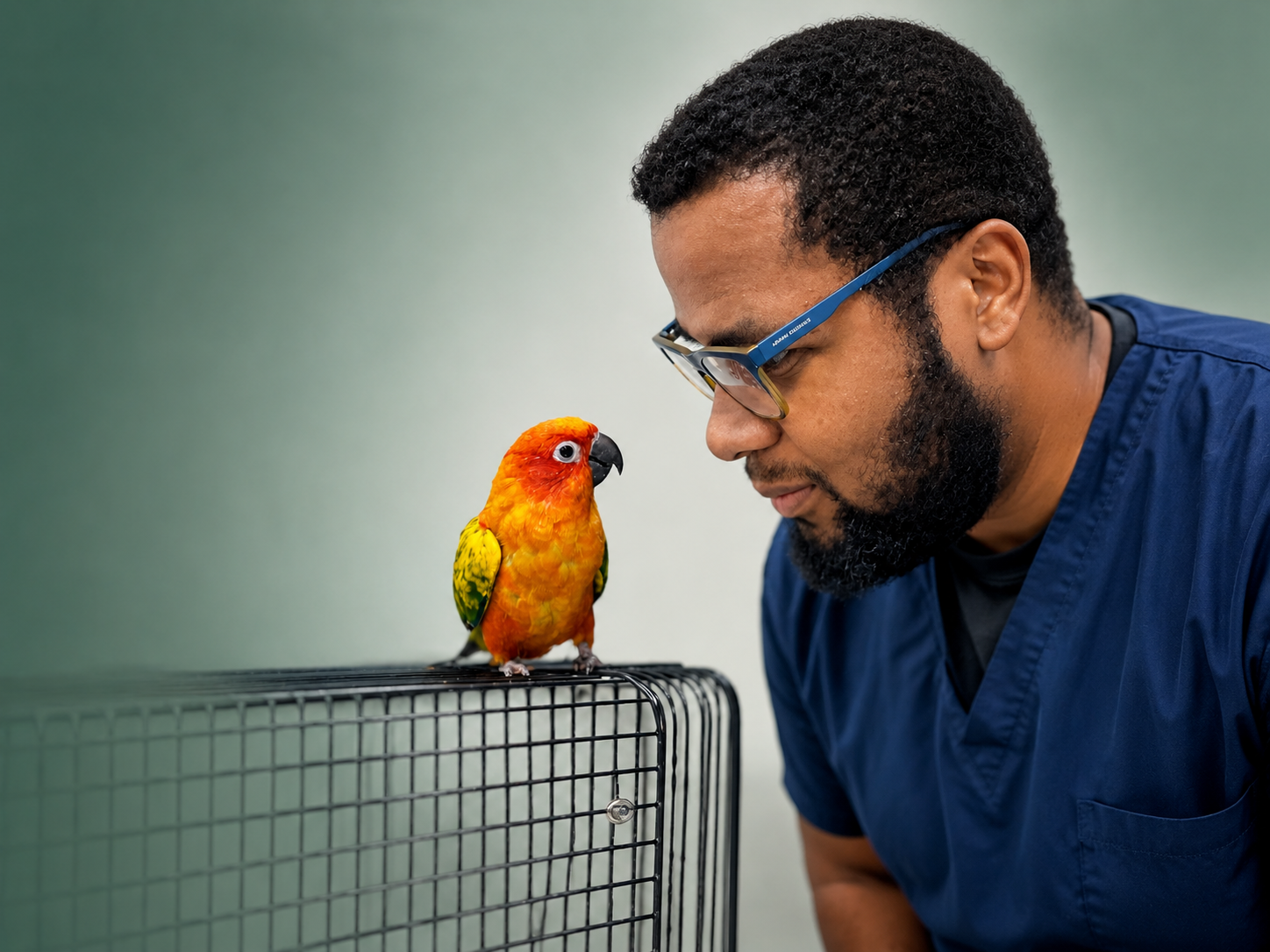
Bright personalities.
Attentive lifelong care.
Conures are intelligent, energetic, highly social parrots whose health depends on balanced nutrition, daily enrichment, a safe environment, and preventive avian care.
about 9–21 inches & 60–400 g
depending on species
depending on species and care
Colorful companions with curious minds and active lives.
Conures are a diverse group of small-to-medium parrots native to Central and South America. They are known for their playful behavior, strong social bonds, expressive body language, and bright plumage.
They need generous daily interaction, supervised exercise, foraging opportunities, adequate sleep, safe housing, and regular examinations with an avian veterinarian. Their intelligence and energy make thoughtful routines and enrichment essential.
Nutrition and behavior
Diet & nutrition
- Use a nutritionally complete formulated diet as the foundation unless your veterinarian recommends otherwise.
- Offer veterinarian-guided vegetables and other appropriate fresh foods; use seeds, nuts, and treats in limited, purposeful amounts.
- All-seed diets are commonly deficient in essential nutrients and may contribute to obesity and liver disease.
- Provide fresh water and clean dishes daily, monitor appetite and droppings, and check body weight regularly.
Behavior & enrichment
- Conures are social, active parrots that benefit from predictable routines and respectful daily interaction.
- Foraging, positive-reinforcement training, climbing, chewing, and destructible toys provide essential stimulation.
- Offer safe supervised exercise outside the enclosure and rotate carefully inspected toys regularly.
- Provide a calm, consistent sleep schedule and a secure environment away from fumes and household hazards.
- New screaming, biting, withdrawal, or feather damage may have medical or environmental causes and deserves professional evaluation.
Natural history
Conures are native to Central and South America and the Caribbean. Different species inhabit forests, woodland edges, savannas, and other varied environments.
Many wild conures are highly social and travel, rest, and forage in flocks. These flock instincts help explain why companion conures value communication, routine, and social connection.
Their strong feet and curved beaks support climbing, manipulation, feeding, and exploration—traits that make safe housing, training, and varied enrichment important in the home.
Common health concerns
Conures may hide signs of illness. Changes in appetite, droppings, activity, breathing, voice, posture, feather condition, or behavior deserve prompt attention.
This guide provides general educational information and does not replace an examination or individualized veterinary advice.
Specialized care for your conure.
Schedule preventive care or contact our team if you have concerns about your bird’s health.