Small birds.
Remarkable lives.
Gentle, active songbirds whose wellness depends on flock-aware housing, balanced nutrition, clean air, daily observation, and preventive avian care.
8–30 g
Social, observant birds made for movement.
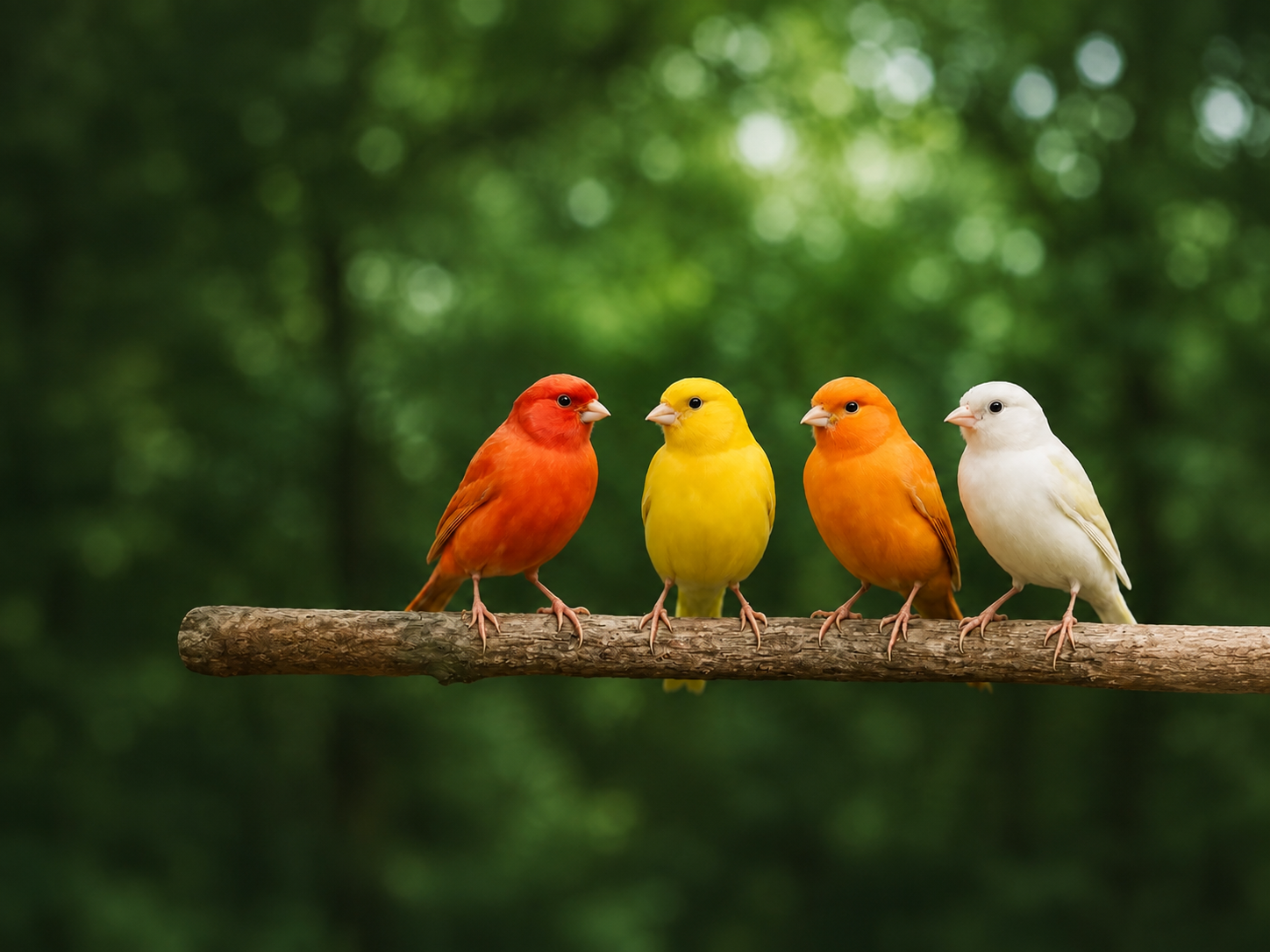
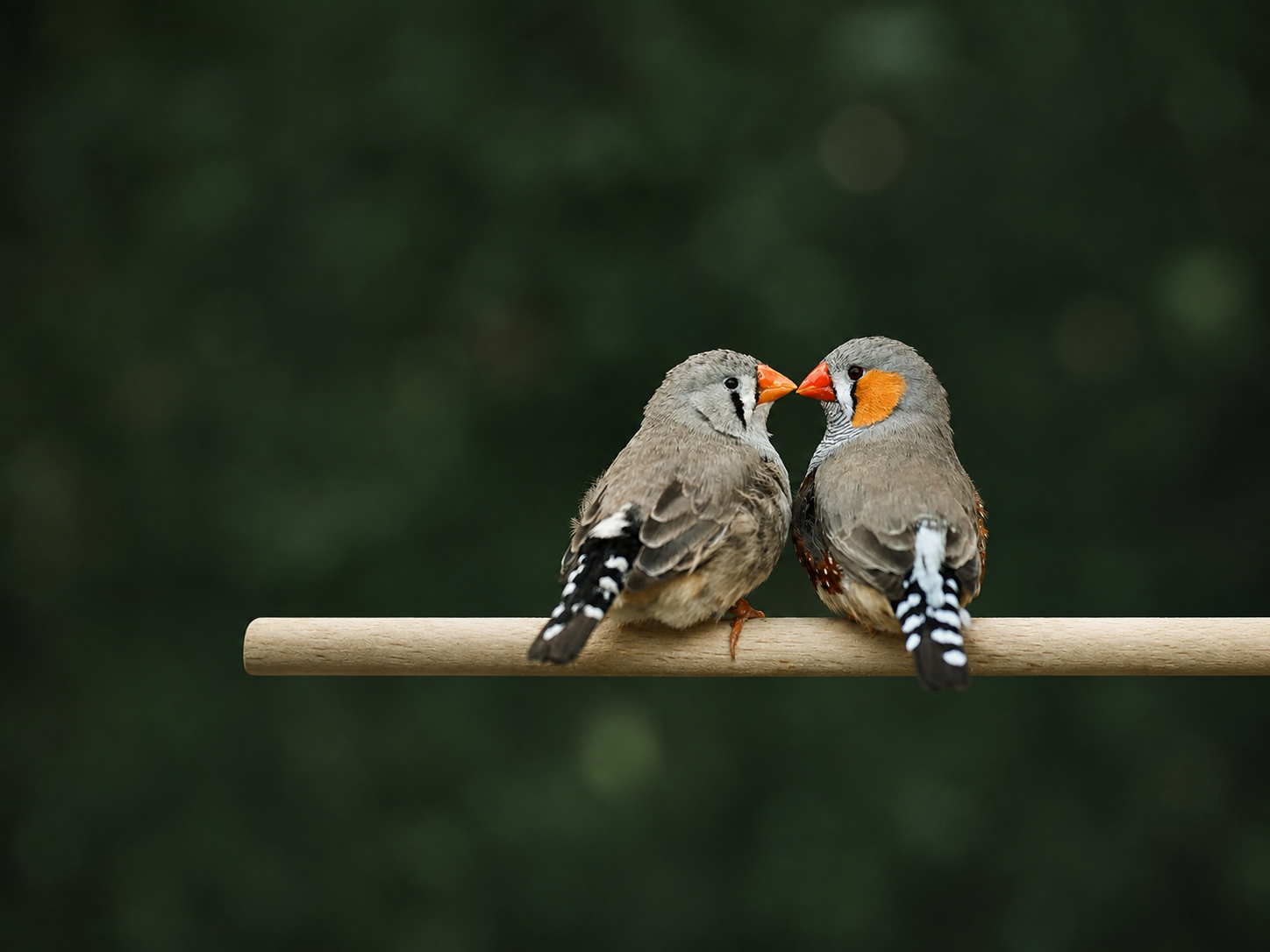
“Finch” includes many small species, such as zebra, society, Gouldian, and Java finches. Their colors, songs, temperament, adult size, and care needs vary, but most benefit from companionship with compatible birds and an environment designed for safe horizontal flight.
Finches are often admired rather than handled. Their subtle behavior makes careful daily observation—and knowing each bird’s normal activity, voice, appetite, and posture—especially important.
Nutrition and environment
Diet & nutrition
- Use a species-appropriate, nutritionally balanced finch diet as recommended by an avian veterinarian.
- Offer veterinarian-approved greens, vegetables, and other fresh foods in suitable portions.
- Avoid relying on seed alone; selective eating may lead to nutrient deficiencies and obesity.
- Provide clean water every day and wash food and water dishes thoroughly.
- Monitor body weight, appetite, droppings, and access to food in group housing.
Housing & enrichment
- Prioritize enclosure width and unobstructed horizontal flight space.
- Provide natural-diameter perches without overcrowding the flight path.
- House only compatible birds and provide multiple feeding stations when needed.
- Offer bathing opportunities and safe, simple enrichment without creating nest-like spaces unless breeding is intended.
- Protect birds from drafts, smoke, aerosols, nonstick-cookware fumes, predators, and sudden temperature changes.
Natural history
Finches occur across many parts of the world and occupy habitats ranging from grasslands to forests. Many species live and feed in social groups, communicating through contact calls, courtship songs, posture, and movement.
Their small size supports rapid movement and metabolism. A finch that stops eating or becomes unusually quiet can decline quickly, so subtle changes deserve prompt attention.
Species differ in social structure and breeding behavior. Thoughtful group selection and population control help reduce stress, aggression, and repeated egg laying.
Common health concerns
Seek prompt veterinary care for reduced appetite, fluffed posture, sitting low, open-mouth breathing, tail bobbing, weakness, abnormal droppings, weight loss, injury, or a sudden change in song or activity.
This guide provides general education and does not replace an examination or individualized veterinary advice. Values shown are broad ranges because finch species differ substantially.
Specialized care for your finches.
Schedule preventive care or contact our team if you notice changes in a bird or the flock.